In 2025, traders often talk about “signals.” But the word signals can mean very different things depending on the trading style.
Most beginners only know traditional trading signals — messages like “Gold sell 4100 now!”, which tell you when to open a trade.
But modern trading has evolved.
Today, many traders use algorithmic system signals, which do not recommend trades.
Instead, they show how a trading algorithm performed, including its strategy logic, settings, and historical behaviour.
Because the two meanings are so different, mixing them up can cause confusion.
This guide explains the difference clearly and shows how Algo Forest’s AI Signals Page is designed to help traders choose and configure Expert Advisors (EAs) — which is more comprehensive and advanced than just copy trade.
What Are Traditional Trading Signals?
Traditional signals are trading alerts generated by human traders using manual chart analysis, price action, or technical indicators.
Examples include:
- Entry alerts
“Gold sell at 4100”
- Trade ideas
“Head-and-shoulder pattern forming near 4100”
- Trade setups
“Possible sell setup if price rejects the zone”
These signals are typically shared via Telegram, WhatsApp, or social channels.
Characteristics of Traditional Signals
- Human interpretation
- Opinion-based
- May include buy/sell suggestions
- Followers copy the trades manually
- Highly inconsistent accuracy
What Are Algorithmic System Signals?
Algorithmic signals are not trade recommendations; they are a way to understand the strategies successful traders use to earn profits.
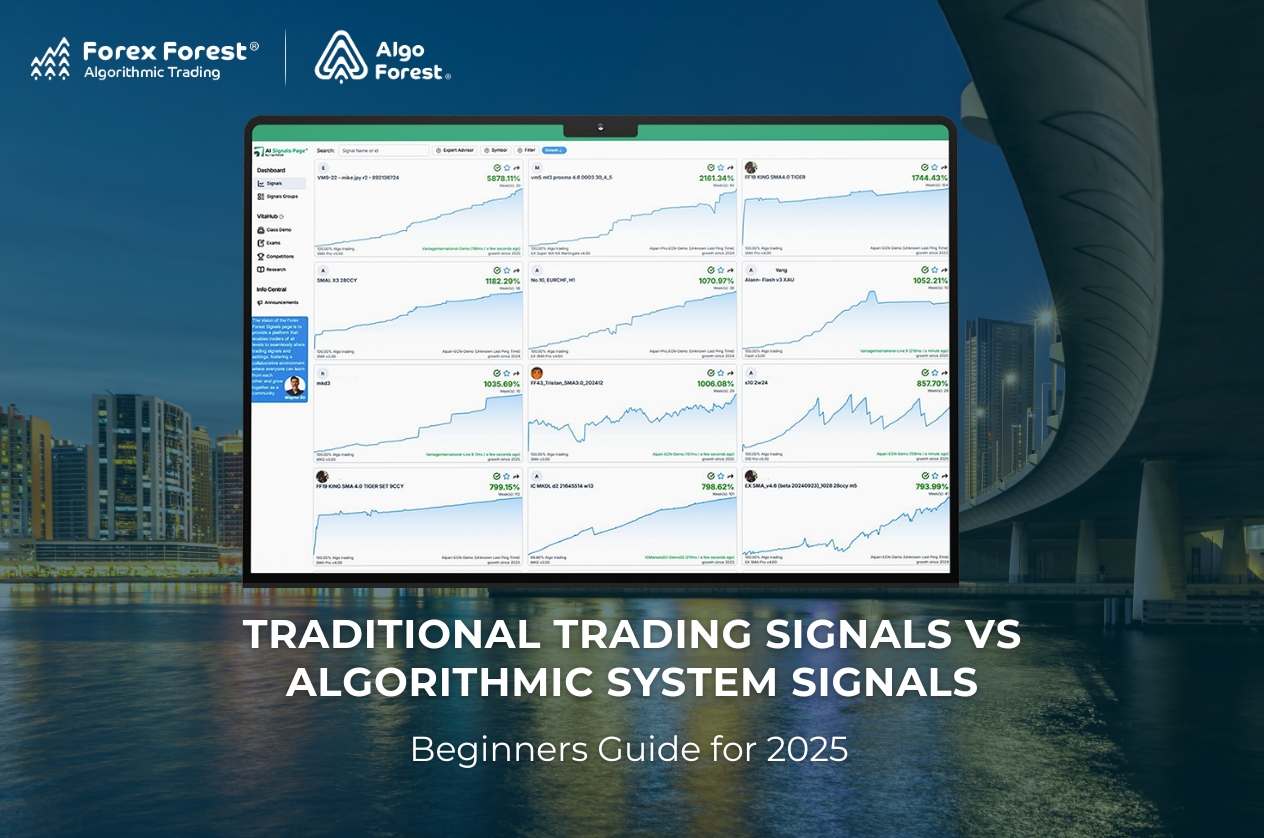
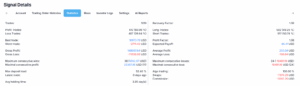
In the image above, you can see that the AI Signals Page shows:
✔ How an Expert Advisor performs like the profit , trading commodities, & initial deposit of each signal.
✔ Its historical growth and drawdown
✔ Its settings (risk levels, logic, configurations)
✔ The behavior of the trading system
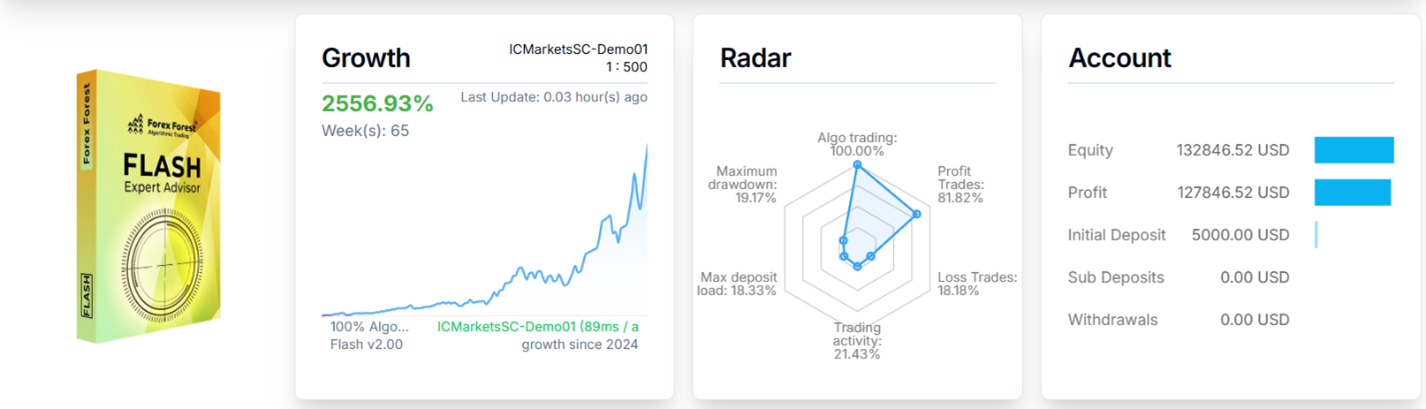
These signals reflect how an algorithm programme reacts to the market.
Key Difference
Traditional signals:
“Buy gold now.”
Algorithmic system signals:
“Here is how this EA performed with this preset.”
Huge difference.
One tells you what to trade.
The other shows how a system behaves. You can directly utilize other strategies settings that are performing well and apply it to your algo bots (EA) to continue trading.
Why Algorithmic System Signals Are Becoming Popular in 2025
Modern traders demand transparency before using automated systems.
Algorithmic system signals offer:
✔ Proven data, not opinions
Users can check long-term EA performance before choosing settings.
✔ System behaviour insights
See how the EA manages entries, exits, and risk — not individual trade calls.
✔ Full transparency
Growth charts, drawdown, and verified performance data (ISO27001 + ISO9001).
✔ Better than copy trade
Users can fully understand the parameters behind their Expert Advisors. This gives them the ability to secure their investment and improve their risk management. Meanwhile, copy trading doesn’t show the users the full picture of the traders’ strategy and setting. This is quite similar to using a blackbox expert advisor where you do not know how is the expert advisor trading.
✔ Safe for beginners
With algorithmic trading signals, beginners don’t have to rely on “buy/sell now” messages.
They can rely on automated logic and see the inner workings of how each settings perform on the expert advisor. This means that for a beginner, all trades and profit can operate automatically with risk management included.
What Makes a Good Algorithmic System Signal?
- Transparent Performance Metrics
A reliable system shows:
- Growth history
- Drawdown
- Running weeks
- Consistency
- Clear EA Settings
Users should know:
- Risk levels
- Strategy mode
- Martingale settings (if applicable)
- Expected behaviour
- Verified Data
All performance should be based on real, trackable system activity — not opinions.
- Stable Strategy Logic
No emotional changes, no sudden bias, no unpredictable decisions.
Algo Forest’s AI Signals Page is NOT a traditional signal service.
Its purpose is:
✔ To display performance of each Expert Advisor
Users can see:
- EA performance
- EA presets
- Historical charts
- Growth, success rate, and consistency
✔ To help users choose the best EA settings
When customers purchase an EA, they can refer to the AI Signals Page to:
- Copy the settings, not the trades
- Understand how each configuration behaves
- Compare multiple EA strategies
✔ To ensure transparency
Users can verify:
- How real students and traders perform
- How long the EA ran
- Drawdown and risk metrics
✔ To support safer automation
Instead of following risky manual signals, users rely on:
- Predictable logic
- Backtested rules
- Automated decision-making
Why Beginners Prefer Algorithmic Trading Systems
Beginners benefit from algorithmic systems because:
- They remove emotional decision-making
- No need to monitor charts all day
- No need to guess entries
- No dependency on a manual trader
- Settings are easier to follow than trade calls
Instead of asking “What should I trade now?”
Beginners follow a AI trading system that has already been designed, tested, and verified.
How Beginners Should Start in 2025
Step 1: Review the AI Signals Page
Identify which EA and which preset fits your style.
(Example: Low risk, balanced, aggressive, etc.)
Step 2: Purchase the Expert Advisor
This gives you access to the system itself and not just the trades.
Step 3: Import or copy the preset
Use the exact settings from the AI Signals Page.
Step 4: Run the EA
Automation handles entries, exits, risk, and logic.
Step 5: Monitor performance occasionally
Let the system run while staying informed through the dashboard.
AI Signals Page = Performance Guide, NOT Trade Advice
Algo Forest’s algorithmic system signals do NOT:
❌ Tell traders when to enter a trade
❌ Send buy/sell recommendations
❌ Function like a copy-trade service
❌ Promise returns or guarantee results
They simply provide performance insights and EA configuration visibility so users can make informed decisions when using automated systems.
Ready to Explore Algorithmic Trading NOW?
👉 Visit our AI Signals Page to see real system performance
👉 Purchase our Expert Advisors to automate your trading with proven strategies
Trade with logic.
Trade with structure.
Trade with automation.
Trade with AI.
FAQ
- Can beginners understand algorithmic trading?
Yes. Algo Forest teaches from the basics, and beginners can follow the logic easily.
- Can I trade even with a busy schedule?
Yes. Algorithmic trading reduces screen time and emotional stress.
- Can I trade from anywhere?
Yes. If your device is connected, systems can run 24/7 across Forex, Gold, Indices, and Crypto.

 Cross Power Optimiser
1 × USD199.00
Cross Power Optimiser
1 × USD199.00  MACD Printer
1 × USD199.00
MACD Printer
1 × USD199.00