Prop Firms vs Algo Trading: Smarter 2025 Leverage Signals

November 3, 2025
roger_admin


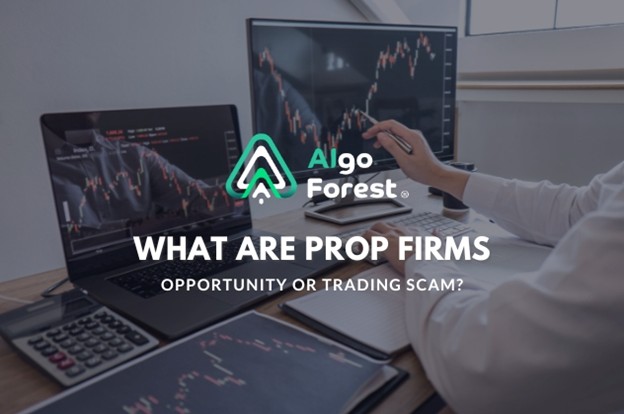
What are Prop Firms: Opportunity or Trading Scam? 

Prop Trading: Dream Funding or Fee Trap? 

Have you ever wondered if it’s possible to trade big without having big capital? Proprietary trading firms (prop firms) promise exactly that. With just a small exam fee, traders can access funding accounts ranging from tens of thousands to hundreds of thousands of dollars. 

The deal sounds tempting when you win, you keep a share of the profits; when you lose, the firm supposedly takes the hit. Your maximum loss? Just the exam fee. Sounds like a magical shortcut to wealth or is it a global financial trap? 

In recent years, the prop trading industry has grown from USD 6.7 billion in 2020 to over USD 20 billion today. While many traders across Asia believe prop firms are the gateway to financial freedom, statistics show a darker truth: only about 1% of traders consistently profit. 

So, are prop firms the launchpad for your trading career or just another exam scam designed to drain your money? 


What is a Prop Firm, and How Did It Start? 

The concept of proprietary trading isn’t new. Back in the 1980s, Wall Street giants like Goldman Sachs and Morgan Stanley set up internal prop trading desks, where professional traders used company funds to trade stocks, forex, and commodities. Profits were shared, losses were absorbed by the firm. 

With technology, this model moved online. In 2015, FTMO popularized retail prop firms by offering “funded accounts” to anyone who could pass a trading challenge. The entry barrier? Pay an exam fee, meet the trading rules, and you could receive up to 100x buying power. 

But here’s the catch: while the funding seems attractive, the real business model of most prop firms is selling exam fees, not actually funding traders. 
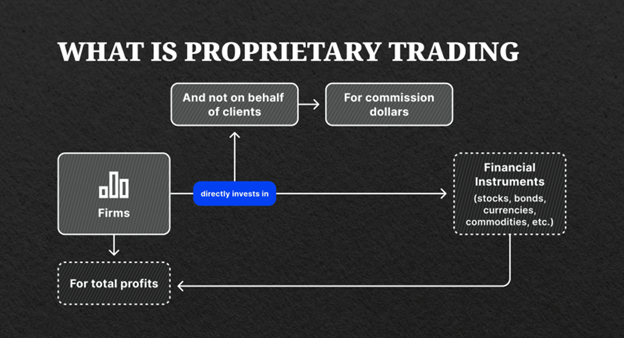
The Prop Firm Challenge Explained 

Most prop firms operate under a similar structure: 

  • Exam Fees: Ranging from a few hundred to a few thousand USD. (E.g., FTMO charges US$619 for a US$100,000 account.) 
  • Profit Targets: Often 10% in phase one, 5% in phase two. 
  • Risk Rules: Daily drawdown limits (e.g., 5%). 
  • Profit Split: 80% to 100%, depending on the firm. 

At first glance, the reward seems high. But let’s break it down: 

For a $200,000 funded account with a 5% daily drawdown limit, you’re effectively only allowed to risk $10,000. Yet, you must generate $20,000 (10%) in profit to pass phase one. That means you need a 200%+ return on risk under strict conditions, where even one bad day can disqualify you. 


The Dark Side: Prop Firm Payout Problems 

Many traders only realize the pitfalls when it’s too late: 

  1. Payout Denials – Some firms refuse withdrawals on technicalities, citing vague violations of rules. 
  1. Sudden Account Bans – Traders making significant profits have reported being banned without explanation. 
  1. Fake or Collapsed Firms – Examples include: 
  • Funding Pips: Accused in 2023 of banning accounts with 50% profits. 
  • The Funded Trader (TFT): Suspended operations abruptly in 2023, freezing thousands of accounts. 
  • Funded Firm: Shut down after being exposed for faking trading records, vanishing with millions in exam fees. 

When these firms collapse, traders lose not only exam fees but also any unrealized profits. 

Hidden Traps: Slippage, Black Box Pricing & Drawdown Rules 

Unlike real brokers, most prop firms don’t execute trades in live markets, they simulate price feeds internally. This opens the door for: 

  • Slippage manipulation (“stop hunting”) 
  • Relative drawdown rules that move your equity threshold as profits rise, making challenges harder 
  • Black box price feeds where unusual market spikes can instantly disqualify accounts 

These loopholes are rarely explained upfront, leaving many traders blind sided. 


Are Prop Firms Regulated? 

Here’s the shocking truth: most retail prop firms are unregulated offshore entities. They don’t hold financial licenses because they don’t manage real client funds. Your trades are usually simulated. 

Even reputable names like FTMO or My Forex Funds aren’t under strict financial regulation. If something goes wrong, your only option may be labor complaints or consumer forums but no real legal recourse. 

The Regulatory Vacuum 

Most online prop firms operate offshore, unlicensed, and explicitly state they do not custody client funds—only simulated equity. When they fold, your recourse is a local labour board or a prayer. Reputable exceptions (FTMO, My Forex Funds) still lack fiduciary oversight; they’re skill-based games, not regulated investment vehicles. 

Alternatives to Prop Firms 

If your goal is leveraged growth with lower risk, prop firms might not be your best option. Instead, consider: 

  • Algorithmic Trading Signals – Platforms like Algo Forest Signals provide real-time, data-backed strategies with transparent performance history. 
  • VPS Trading with Expert Advisors – Automating strategies can deliver consistent risk-managed returns. 
  • Trading Education – Building your own strategies ensures you don’t depend on “black box” firms. 

At Algo Forest, our mission is to help traders achieve real, sustainable profits without relying on opaque prop firm models. 


Prop Firm Reality Check: 95% Failure Rate & Why Algo Forest Signals Beats the Odds 

According to Trader Union (2024), 80–95% of prop firm applicants fail their exams. Even among the few who pass, only 1–2% remain consistently profitable long term. 

That means the odds are heavily against retail traders. While prop firms can serve as a “trial by fire,” for most people they end up being an expensive lesson. 

If you’re serious about trading, focus on transparent strategies, regulated brokers, and risk-controlled systems. Don’t gamble on exam fees hoping for a shortcut but invest in proven trading methods. 
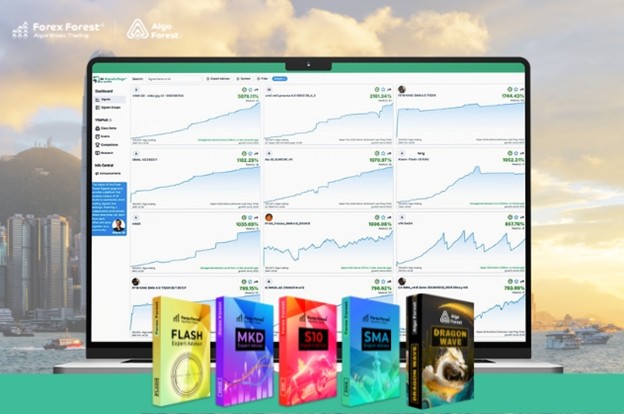
👉 Want to explore reliable trading strategies with real performance data? 
Check out Algo Forest Signals Page and discover AI-driven trading strategies that consistently deliver returns. 
To learn more about prop firms, do check out our video above where we explained in-depth on how prop firms work! 

If you also would like to learn more about trading and finance, exploring how our EAs can help you to enhance your passive income, let’s purchase our tools with ISO certificates and endorsed with 12 patents here.  

    Frequently Asked Questions

    Traditional trading relies on human decision-making, which can be influenced by emotions and subjectivity. In contrast, algorithmic trading uses computer programs to make decisions based on quantitative data, removing the emotional aspect and allowing for faster and more precise trade execution.
    We start from the basics and explain the essential concepts and methods of algorithmic trading. You don't need prior market experience, and even beginners can easily grasp the concepts.
    We start from the basics and explain the essential concepts and methods of algorithmic trading. You don't need prior market experience, and even beginners can easily grasp the concepts.
    We start from the basics and explain the essential concepts and methods of algorithmic trading. You don't need prior market experience, and even beginners can easily grasp the concepts.
    We start from the basics and explain the essential concepts and methods of algorithmic trading. You don't need prior market experience, and even beginners can easily grasp the concepts.
    We start from the basics and explain the essential concepts and methods of algorithmic trading. You don't need prior market experience, and even beginners can easily grasp the concepts.
    We start from the basics and explain the essential concepts and methods of algorithmic trading. You don't need prior market experience, and even beginners can easily grasp the concepts.
    KEEP READING

    Related Articles

    Algo Forest Group Wins “Best AI Algo Trading Enterprise Global 2026"

      Algo...

    LEARN MORE >>

    Silver Shortage Crisis: Could a COMEX Silver Trigger the Next Bull Market

    The price...

    LEARN MORE >>

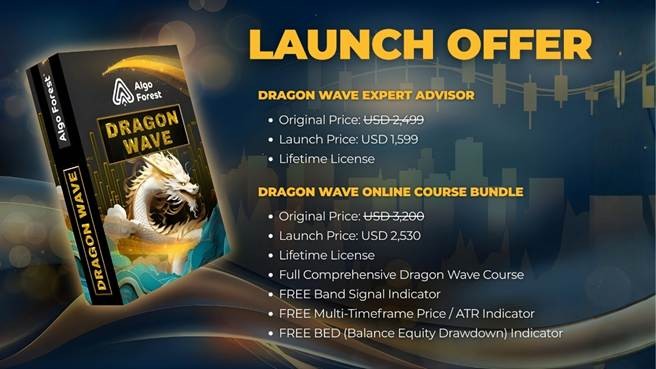
    Algo Forest Launches Dragon Wave Expert Advisor

    Algo Forest...

    LEARN MORE >>
    Algo Forest Group Award_ISO 9001Algo Forest Group Award_ISO 27001Algo Forest Group Award_IBM 2023Algo Forest Group Award_Smart Award 2021Algo Forest Group Award_HKMVCA 2021Algo Forest Group Award_HKMOS 2020
    cart
    var ready = (callback) => { if (document.readyState != "loading") callback(); else document.addEventListener("DOMContentLoaded", callback); } ready(() => { // Expand the content when question is clicked. const allAccordions = document.querySelectorAll('.oxel_accordion__row'); allAccordions.forEach((question, index) => { // Open the first accordion by default if (index === 0) { question.classList.add('oxel_accordion__row--active'); question.nextElementSibling.classList.remove('oxel_accordion__content__hidden'); question.setAttribute('aria-expanded', 'true'); } question.addEventListener('click', function(e) { // Toggle the current accordion item const isActive = question.classList.contains('oxel_accordion__row--active'); // Close all accordions allAccordions.forEach((otherQuestion, otherIndex) => { const content = otherQuestion.nextElementSibling; const icon = otherQuestion.querySelector('.oxel_accordion__icon'); // Close the accordion if it's not the clicked one if (otherQuestion !== question) { otherQuestion.classList.remove('oxel_accordion__row--active'); content.classList.add('oxel_accordion__content__hidden'); otherQuestion.setAttribute('aria-expanded', 'false'); // Reset the icon rotation for closed accordions if (icon) icon.style.transform = 'rotate(0deg)'; } }); // If the clicked accordion was not already open, open it if (!isActive) { question.classList.add('oxel_accordion__row--active'); question.nextElementSibling.classList.remove('oxel_accordion__content__hidden'); question.setAttribute('aria-expanded', 'true'); const icon = question.querySelector('.oxel_accordion__icon'); if (icon) icon.style.transform = 'rotate(180deg)'; } else { // If the clicked accordion was already open, close it question.classList.remove('oxel_accordion__row--active'); question.nextElementSibling.classList.add('oxel_accordion__content__hidden'); question.setAttribute('aria-expanded', 'false'); const icon = question.querySelector('.oxel_accordion__icon'); if (icon) icon.style.transform = 'rotate(0deg)'; } }); }); });