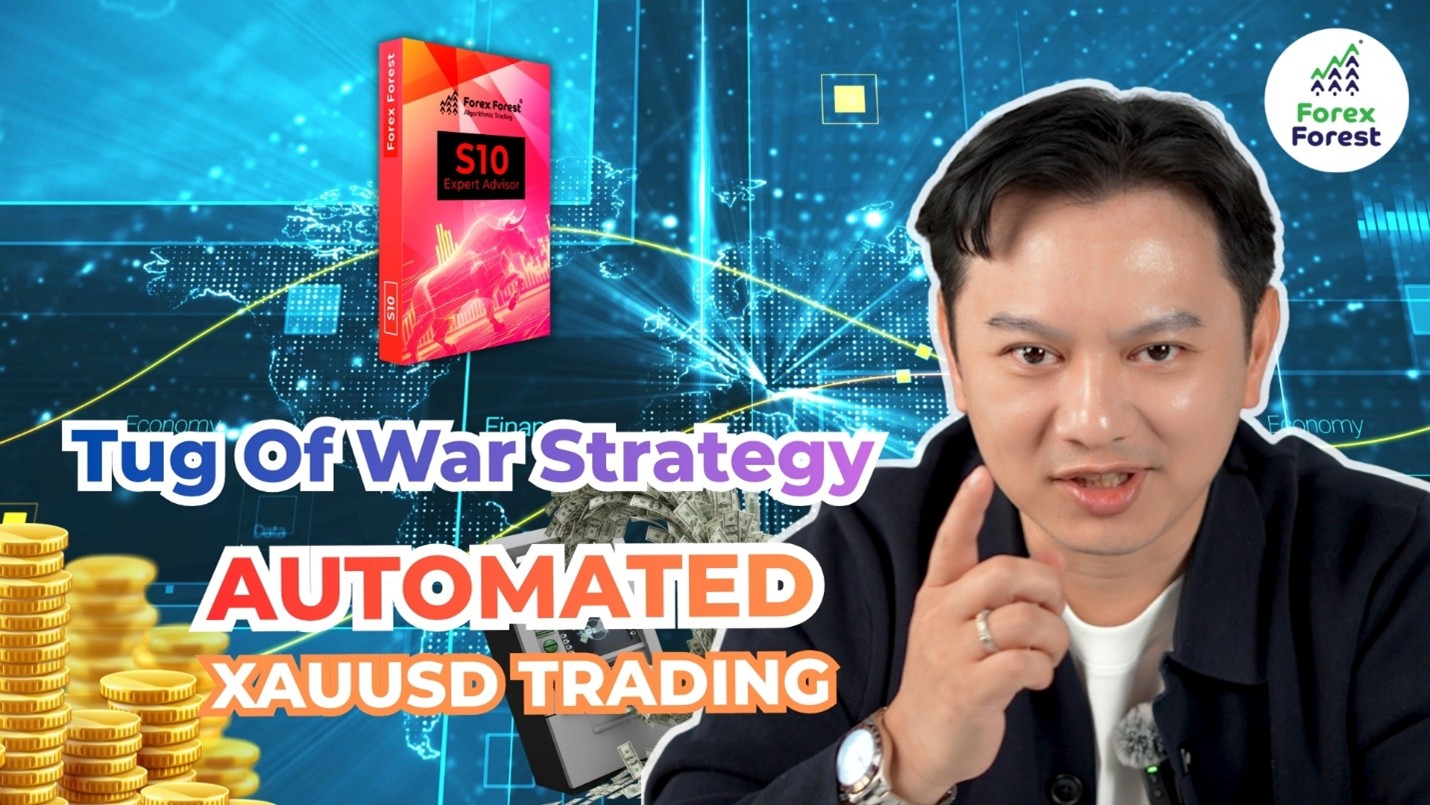
A Tug-of-War Strategy for Automated XAUUSD Trading

January 16, 2026
alvin

Gold at Record Highs — Hold, Take Profit, or Do Nothing?

Gold (XAUUSD) has reached historical highs, making it one of the most actively discussed asset classes among retail traders. For many traders, this creates a psychological dilemma when applying a gold trading strategy for high volatility:

  • Should you hold on to the order firmly and ride the trend?
  • Should you take profit now in case the market reverses due to gold vs US dollar analysis shifting?
  • Or worse — stare at the charts all day, unable to sleep, afraid of missing out or giving profits back?

These decisions often lead to emotional exhaustion. Poor trading habits, inconsistent time frames, and subjective indicators such as Bollinger Bands can easily distort judgment. This is why many traders turn to forex algorithmic trading and automated trading systems to remove emotional bias.

This article introduces a volatility trading strategy built specifically for XAUUSD — a professional, rules-based automated trading strategy for XAUUSD designed to profit from price movement rather than prediction.


The Real Goal: Making Money While You Sleep

Most traders ultimately want the same outcome:

  • Trades that run automatically using an XAUUSD algorithmic trading system
  • Profits that accumulate while you sleep through disciplined automation
  • A scalable second income without emotional stress

With gold prices elevated and liquidity high, now is an ideal environment to apply algorithmic trading strategy principles through MT4 automated trading supported by forex VPS trading for stability and execution speed.


What Is the Tug-of-War Trading Concept?
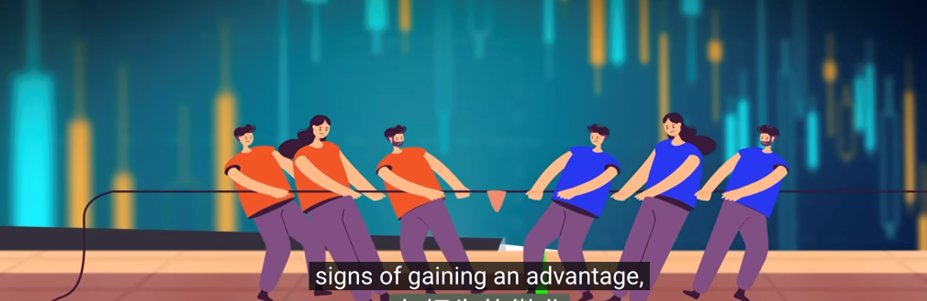
At every moment in live trading, two forces interact:

  • Buyers (Buy orders)
  • Sellers (Sell orders)

The market behaves like a tug-of-war.

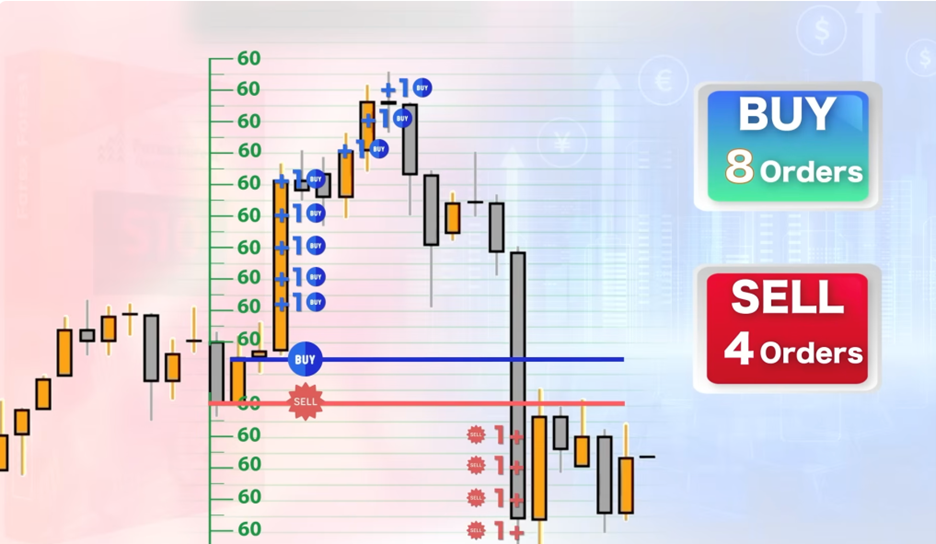
Both sides exert pressure until one weakens. When imbalance appears, price expands across a wide range. Instead of predicting direction, this automated trading system deploys orders on both sides and aligns with the dominant force once momentum is confirmed.

This framework integrates concepts from currency strength trading without relying on discretionary bias.
Why Traditional Breakout Trading Often Fails

Most discretionary systems rely on:

  • Support and resistance
  • Breakout confirmation
  • Directional bias across short time frames

However, in highly volatile markets like gold:

  • False breakouts are common
  • Stop-loss clusters are frequently hunted
  • Profits often reverse rapidly during market session trading (Asia vs US)

Monitoring charts 24/7 is unrealistic. The Tug-of-War approach avoids this by removing directional bias and allowing automation to react objectively.


Strategy Framework: How the Strategy Is Built

Step 1: Dual Deployment on XAUUSD

The strategy operates two XAUUSD charts simultaneously:

  • One chart set to Buy Only
  • One chart set to Sell Only

Once initial positions are opened, the price range becomes the execution zone. As long as neither side dominates, price oscillates. When momentum expands, the system capitalizes on the breakout using an automated trading strategy for XAUUSD.


The AI Bot: S10 Expert Advisor

This gold trading bot is powered by the S10 Expert Advisor, purpose-built for forex algorithmic trading and trend-following execution.

Key strengths include:

  • Structured position scaling
  • Momentum-based add-on entries
  • Emotionless execution during live trading

Key Parameters

  • Buy Up in Uptrend
  • Sell Down in Downtrend

When momentum enters a dominant zone, the system adds positions automatically — a hallmark of the best automated gold trading strategy for volatile markets.


Pip Step: Quantifying Market Strength

Momentum is measured using Pip Step, defining add-on logic based on volatility rather than indicators.

Example:

  • Pip Step = 60
  • Adjusted for XAUUSD volatility


This ensures trades follow market rhythm instead of noise, aligning with professional risk management in algorithmic trading.


Why Simplicity Wins in Automated Trading

Despite its sophistication, this system uses minimal parameters.

The principle is simple: the fewer variables, the easier it is to manage risk consistently across different asset classes, including gold and stock markets.

Once enabled, both charts operate automatically via MT4 automated trading, executing with precision that is nearly impossible to replicate manually.


Position Management and Risk Control

As momentum strengthens, positions naturally stack on the winning side.

To manage exposure, a position management tool is used to:

  • Monitor batch exposure
  • Display Buy vs Sell balance
  • Maintain visibility of risk management in algorithmic trading


Exit Strategy: Trailing Take Profit

Instead of fixed targets, this system applies a trailing take profit strategy:

  • Example: Trail $5, step $1
  • Profits tighten as momentum accelerates


This approach maximizes trend capture while protecting gains.


Why Gold Is Ideal for This Volatility Trading Strategy

Since early 2024, gold has:

  • Risen from around $2,000
  • Broken above $4,000
  • Expanded volatility dramatically


A 15% move at $4,000 produces far larger price expansion than earlier cycles, making gold ideal for how to trade gold using automation.


What If the Market Becomes Quiet?

No system performs optimally in all conditions.

If volatility contracts:

  • Adjust Pip Step
  • Deploy the system on other volatile asset classes

Alternatives include:

  • Bitcoin (BTCUSD)
  • Other currency pairs suitable for forex algorithmic trading


Real Account Results: One-Week Case Study
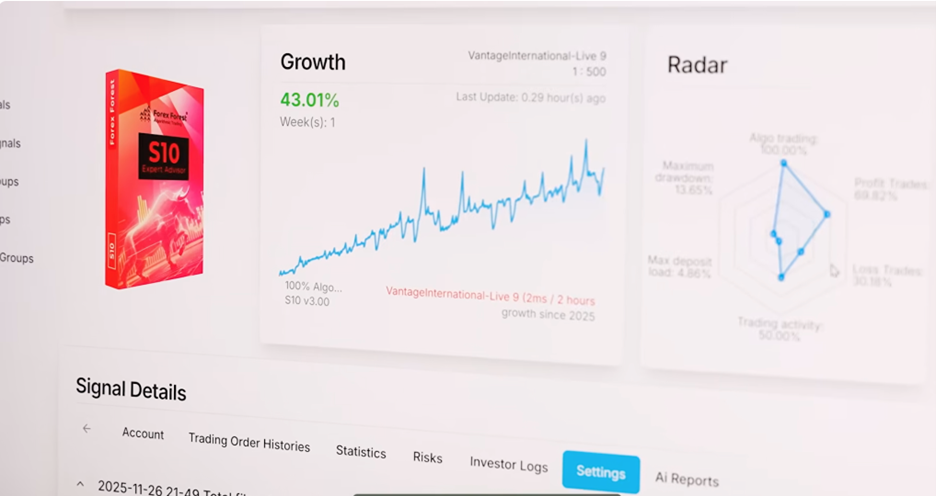
A live trading account using this automated trading system achieved:

  • 43% return in one week
  • Fully automated execution
  • Over 2,500 trades
  • Approximately 69% win rate

Both Buy and Sell directions contributed profits regardless of market direction.
Key Takeaway: Trade Reaction, Not Prediction

The Tug-of-War framework emphasizes one principle:

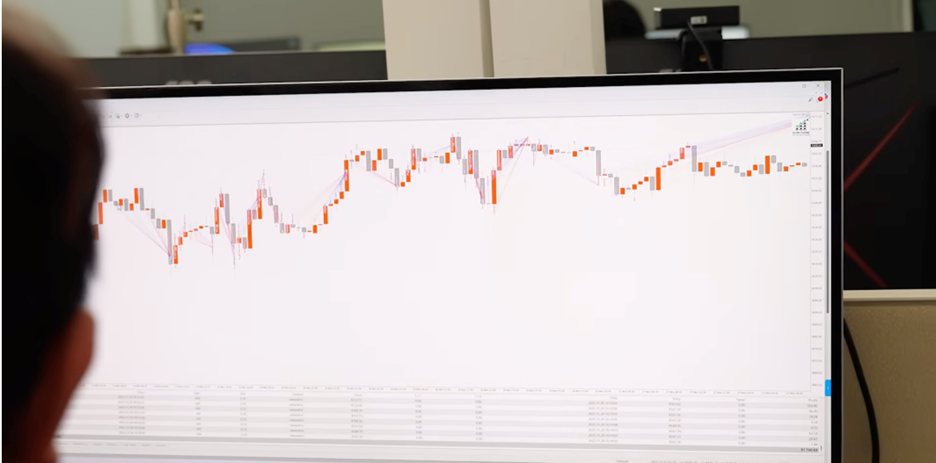
Do not predict the market. React to it.

By combining automation, volatility logic, and disciplined risk control, traders can learn how to trade gold without emotional stress.


Video Walkthrough: Detailed Strategy Explanation

To help you better understand how this Tug-of-War automated gold trading strategy works in real market conditions, we have prepared a full video walkthrough where our team explains the logic, execution rules, and risk considerations step by step.


🎥 Watch the full explanation here:

Important: Please remember to turn on CC (Closed Captions) and select English subtitles in the video player to follow the explanation clearly.

This video complements the article by visually demonstrating:

  • How the strategy reacts during extreme Gold volatility
  • Why the system focuses on reaction instead of prediction
  • How automated execution removes emotional decision-making
  • Practical examples of XAUUSD price behavior at all-time highs


Explore More Automated Trading Solutions

If you are looking to go beyond manual trading and build a more systematic approach, we invite you to explore our ecosystem:

👉 Visit our website to discover a range of expert advisors built specifically for automated trading, designed with professional risk management and adaptive logic.

👉 Visit our AI Signals Page to view real performance data of our trading bots, shared transparently by real users across different market conditions.

These resources are ideal for traders who want:

  • Consistency over emotional decision-making
  • Data-backed performance tracking
  • Automated strategies designed for long-term sustainability


Final Thoughts

Gold will continue to experience periods of extreme volatility, especially at all-time highs. The key is not to predict where price should go, but to deploy a rules-based, reaction-driven automated system that adapts to what the market is actually doing.

By combining currency strength analysis, volatility awareness, and disciplined automation, traders can approach XAUUSD with greater confidence and structural clarity.


    Frequently Asked Questions

    Traditional trading relies on human decision-making, which can be influenced by emotions and subjectivity. In contrast, algorithmic trading uses computer programs to make decisions based on quantitative data, removing the emotional aspect and allowing for faster and more precise trade execution.
    We start from the basics and explain the essential concepts and methods of algorithmic trading. You don't need prior market experience, and even beginners can easily grasp the concepts.
    We start from the basics and explain the essential concepts and methods of algorithmic trading. You don't need prior market experience, and even beginners can easily grasp the concepts.
    We start from the basics and explain the essential concepts and methods of algorithmic trading. You don't need prior market experience, and even beginners can easily grasp the concepts.
    We start from the basics and explain the essential concepts and methods of algorithmic trading. You don't need prior market experience, and even beginners can easily grasp the concepts.
    We start from the basics and explain the essential concepts and methods of algorithmic trading. You don't need prior market experience, and even beginners can easily grasp the concepts.
    We start from the basics and explain the essential concepts and methods of algorithmic trading. You don't need prior market experience, and even beginners can easily grasp the concepts.
    KEEP READING

    Related Articles

    Algo Forest Group Wins “Best AI Algo Trading Enterprise Global 2026"

      Algo...

    LEARN MORE >>

    Silver Shortage Crisis: Could a COMEX Silver Trigger the Next Bull Market

    The price...

    LEARN MORE >>

    Algo Forest Launches Dragon Wave Expert Advisor

    Algo Forest...

    LEARN MORE >>
    Algo Forest Group Award_ISO 9001Algo Forest Group Award_ISO 27001Algo Forest Group Award_IBM 2023Algo Forest Group Award_Smart Award 2021Algo Forest Group Award_HKMVCA 2021Algo Forest Group Award_HKMOS 2020
    cart
    var ready = (callback) => { if (document.readyState != "loading") callback(); else document.addEventListener("DOMContentLoaded", callback); } ready(() => { // Expand the content when question is clicked. const allAccordions = document.querySelectorAll('.oxel_accordion__row'); allAccordions.forEach((question, index) => { // Open the first accordion by default if (index === 0) { question.classList.add('oxel_accordion__row--active'); question.nextElementSibling.classList.remove('oxel_accordion__content__hidden'); question.setAttribute('aria-expanded', 'true'); } question.addEventListener('click', function(e) { // Toggle the current accordion item const isActive = question.classList.contains('oxel_accordion__row--active'); // Close all accordions allAccordions.forEach((otherQuestion, otherIndex) => { const content = otherQuestion.nextElementSibling; const icon = otherQuestion.querySelector('.oxel_accordion__icon'); // Close the accordion if it's not the clicked one if (otherQuestion !== question) { otherQuestion.classList.remove('oxel_accordion__row--active'); content.classList.add('oxel_accordion__content__hidden'); otherQuestion.setAttribute('aria-expanded', 'false'); // Reset the icon rotation for closed accordions if (icon) icon.style.transform = 'rotate(0deg)'; } }); // If the clicked accordion was not already open, open it if (!isActive) { question.classList.add('oxel_accordion__row--active'); question.nextElementSibling.classList.remove('oxel_accordion__content__hidden'); question.setAttribute('aria-expanded', 'true'); const icon = question.querySelector('.oxel_accordion__icon'); if (icon) icon.style.transform = 'rotate(180deg)'; } else { // If the clicked accordion was already open, close it question.classList.remove('oxel_accordion__row--active'); question.nextElementSibling.classList.add('oxel_accordion__content__hidden'); question.setAttribute('aria-expanded', 'false'); const icon = question.querySelector('.oxel_accordion__icon'); if (icon) icon.style.transform = 'rotate(0deg)'; } }); }); });