
Is the US Dollar Falling? The Rise, Fall, and Survival of Global Reserve Currencies

March 2, 2026
alvin

For over 500 years, global financial history has followed a strikingly similar pattern.
War expands empires, war increases debt, debt weakens currencies, and eventually, reserve currencies fall.
From the Portuguese Real to the Spanish Silver Dollar, from the Dutch Guilder to the British Pound. Every dominant reserve currency collapsed after prolonged military expansion and unsustainable fiscal strain.

Today, the key question investors are asking is:
Is the US Dollar beginning to follow the same path?
More importantly:
How should investors position themselves if global reserve currency dominance is shifting again?

To fully understand today’s global reserve currency system, we must zoom out and examine the history of money itself. Across centuries, monetary power has never been permanent. Instead, it has followed a recurring cycle of rise, peak, and decline — a phenomenon economists often describe as currency hegemony, where one nation’s money dominates global trade, finance, and reserves until structural weaknesses eventually emerge.

Watch the video above for our full explanation on the history of money and subscribe to our YouTube channel for more educational videos like this.

*Turn on CC in English for English subtitles!

The Historical Pattern: War Always Weakens the King’s Currency

Across centuries, a clear pattern emerges:

  1. A nation rises through trade or military strength
  2. It expands influence globally
  3. Wars escalate spending
  4. Debt balloons
  5. Currency supply increases
  6. Inflation and devaluation follow
  7. Reserve status declines

This is not coincidence — it is monetary physics.

Currency hegemony is sustained by trust, fiscal discipline, and geopolitical dominance. Once war forces excessive borrowing and monetary expansion, structural weaknesses begin to appear.

Let’s briefly revisit the pattern.
Reserve Currencies That Fell After War and Debt

Portugal: Maritime Expansion and Fiscal Collapse

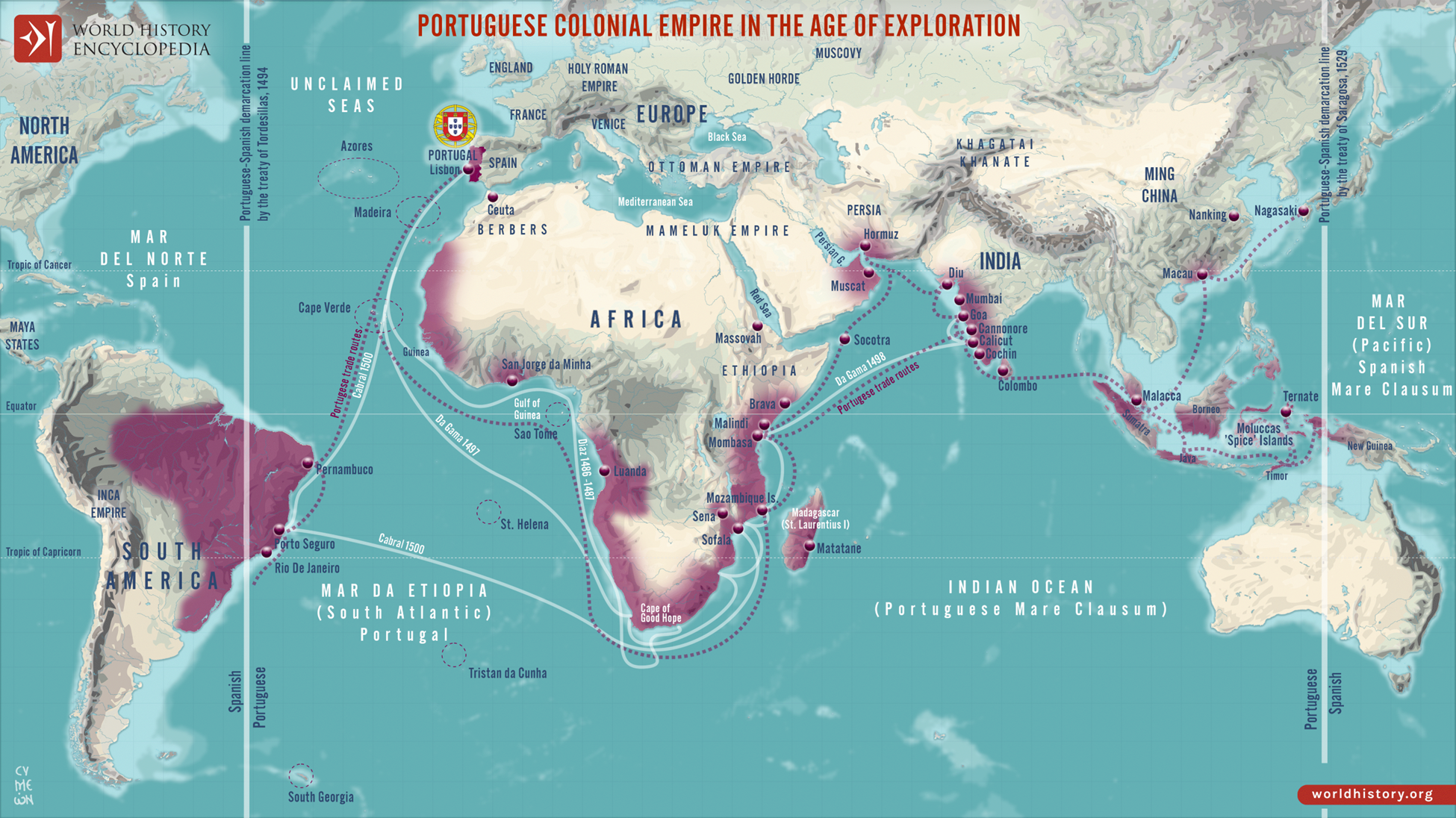
The Portugese Empire

In the 15th century, spices like black pepper, cinnamon, and cloves were more than flavor enhancers — they were symbols of wealth, power, and status.

When the Ottoman Empire captured Constantinople in 1453, traditional land trade routes collapsed. Spice prices skyrocketed overnight.

Sensing opportunity, Prince Henry of Portugal mobilized elite sailors, mapmakers, and astronomers to find a new sea route to Asia. The result?

  • New maritime trade routes
  • Explosive profits from spice arbitrage
  • Lisbon replacing Venice as Europe’s top trading hub

Portugal’s currency, the Real, began circulating across Europe, Africa, India, and Southeast Asia — marking one of the earliest forms of a global reserve currency.

But overexpansion, military costs across four continents, and internal political crises drained the treasury. By the late 16th century, Portugal was absorbed by Spain — and the Real lost its dominance.
Spain’s Silver Empire and the First Global Monetary Collapse

Silver Wealth and Hyperinflation

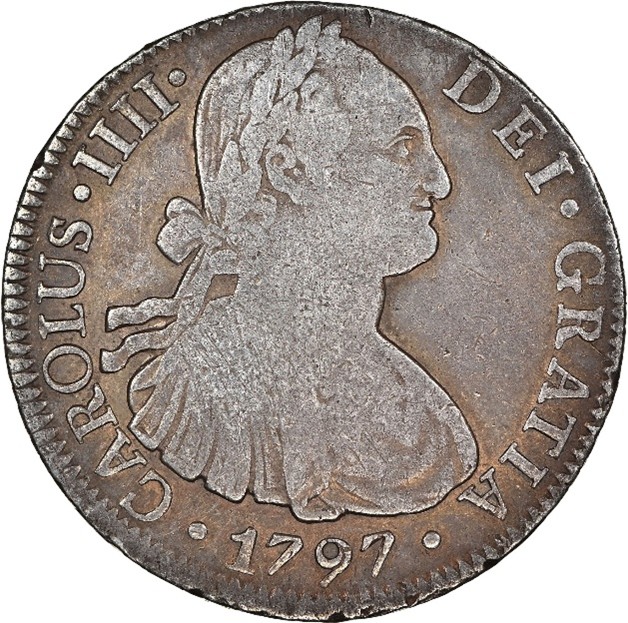
Spain’s Silver Currency

In 1545, Spain discovered the Potosí silver mine in modern-day Bolivia — one of the largest silver deposits in history.

Between 1575 and 1635, nearly half of the world’s silver came from Potosí.

Spain minted the Eight Reales, a highly standardized, durable silver coin that became:

  • Europe’s most trusted currency
  • Widely used across the Americas
  • Legal tender in the United States until 1857

But history repeated itself.

Spain:

  • Overexpanded militarily
  • Accumulated massive debt
  • Spain defaulted four times
  • Triggered severe inflation due to excess silver supply

When silver production declined, Spain’s economy collapsed — ending the silver-based monetary empire.
 The Dutch Guilder and the Birth of Modern Finance

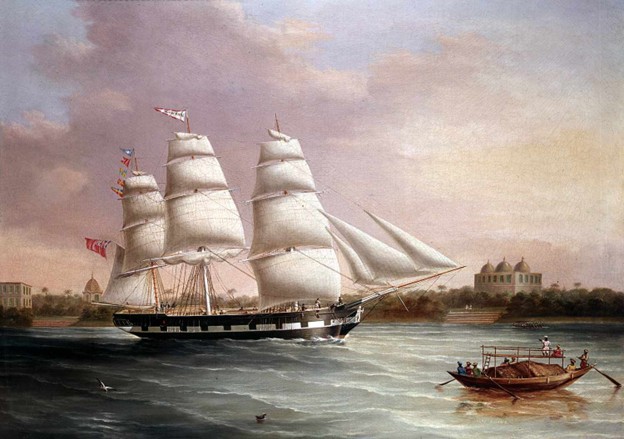
Birth of The Dutch Republic

In the 17th century, the Dutch Republic transformed global finance.

Key innovations included:

  • The world’s first stock exchange
  • Futures markets
  • Maritime insurance
  • Modern banking credit systems

The Dutch Guilder became the dominant reserve currency as the Netherlands controlled over one-third of global trade between 1640 and 1720.

But relentless wars with Britain, colonial overreach, and unsustainable military spending led to bankruptcy. The Dutch East India Company collapsed — and the Guilder’s dominance ended.

The British Pound: Two Centuries of Global Control

Industrial Revolution Meets Monetary Supremacy

The Industrial Revolution propelled Britain into unprecedented productivity. Railways, factories, and global exports reshaped world trade.

Key milestones:

  • The Gold Standard (1816)
  • London becoming the global financial center
  • The British Empire covering 25% of global landmass
  • Over 60% of world trade settled in British Pounds

However, World War I and World War II destroyed Britain’s finances.

By the end of WWII:

  • National debt reached 270% of GDP
  • The UK owed massive sums to the United States
  • The pound could no longer sustain global dominance

The US Dollar Repeating the Pattern?

The US dollar rose after World War II under the Bretton Woods system.

Then in 1971, Nixon ended the gold standard.

The Petrodollar system revived global demand for USD.

But today, macroeconomic stress signals are emerging:

  • Rising geopolitical conflict
  • Expanding military expenditure
  • US national debt exceeding historic levels
  • Frozen foreign reserves (Russia)
  • BRICS expanding alternative settlement systems
  • Bilateral trade bypassing USD

The same structural pressure seen in past reserve currency declines is now visible in the US fiscal trajectory.

No reserve currency falls overnight.

But every one eventually loses dominance after prolonged military and debt expansion.

Is the US Dollar Falling?

Short answer: The dollar is not collapsing — but structural cracks are forming.

Key indicators to monitor:

  • Declining percentage of global reserves held in USD
  • Growth of gold accumulation by central banks
  • Increased cross-border settlements in non-USD currencies
  • Expansion of digital and alternative payment rails
  • Rising US fiscal deficits

This is not panic territory.

This is transition territory.

How Should Investors Position Themselves?

In periods of reserve currency uncertainty and geopolitical volatility, investors historically rotate toward:

  • Gold and hard assets
  • Multi-currency exposure
  • Commodities
  • Tactical trading strategies
  • Volatility-driven instruments

However, modern investors have an additional edge:

Algorithmic Trading and AI Trading Systems

Unlike traditional investing, AI-powered trading systems such as expert advisors can:

  • Adapt dynamically to currency volatility
  • Trade both long and short positions
  • Exploit forex market inefficiencies
  • Optimize position sizing using quantitative risk models
  • Remove emotional bias

In high-volatility macro cycles, algorithmic trading strategies often outperform discretionary trading because they are rule-based, data-driven, and responsive to real-time market shifts.

In uncertain monetary environments, capital preservation and risk-adjusted returns matter more than directional predictions.

This is where AI trading algorithms become strategic tools rather than speculative tools.

Why AI Trading May Be Critical in the Next Monetary Cycle

The coming years may feature:

  • Currency realignments
  • Higher inflation volatility
  • Geopolitical fragmentation
  • Capital flow disruptions

Traditional buy-and-hold strategies struggle during regime shifts as the market becomes unpredictable and volatile.

Our algorithmic trading bots are designed specifically for:

  • Volatile markets
  • News Detection
  • Momentum shifts
  • Mean reversion cycles

In other words, when the market becomes unstable and volatile, our algorithmic trading thrives.

If you want to learn more about how our algorithmic trading bots are performing, visit https://signals.algoforest.com/ where you can see the performance of our expert advisors by our real users.

Final Thoughts

History does not repeat perfectly. But it rhymes.

Every dominant reserve currency in history declined after:

  • War expansion
  • Debt accumulation
  • Monetary debasement

The US dollar may not fall tomorrow, but the structural pattern is visible. The real question is not: “Will the dollar collapse?” The real question is: “Are you positioned for volatility?”

In the AI-driven trading era, investors no longer need to passively endure macroeconomic cycles. They can actively trade them.

If you want to understand currency cycles, reserve currency transitions, algorithmic trading strategies, and AI-powered forex systems, continue learning at:


👉 www.algoforest.com

    Frequently Asked Questions

    Traditional trading relies on human decision-making, which can be influenced by emotions and subjectivity. In contrast, algorithmic trading uses computer programs to make decisions based on quantitative data, removing the emotional aspect and allowing for faster and more precise trade execution.
    We start from the basics and explain the essential concepts and methods of algorithmic trading. You don't need prior market experience, and even beginners can easily grasp the concepts.
    We start from the basics and explain the essential concepts and methods of algorithmic trading. You don't need prior market experience, and even beginners can easily grasp the concepts.
    We start from the basics and explain the essential concepts and methods of algorithmic trading. You don't need prior market experience, and even beginners can easily grasp the concepts.
    We start from the basics and explain the essential concepts and methods of algorithmic trading. You don't need prior market experience, and even beginners can easily grasp the concepts.
    We start from the basics and explain the essential concepts and methods of algorithmic trading. You don't need prior market experience, and even beginners can easily grasp the concepts.
    We start from the basics and explain the essential concepts and methods of algorithmic trading. You don't need prior market experience, and even beginners can easily grasp the concepts.
    KEEP READING

    Related Articles

    Algo Forest Group Wins “Best AI Algo Trading Enterprise Global 2026"

      Algo...

    LEARN MORE >>

    Silver Shortage Crisis: Could a COMEX Silver Trigger the Next Bull Market

    The price...

    LEARN MORE >>

    Algo Forest Launches Dragon Wave Expert Advisor

    Algo Forest...

    LEARN MORE >>
    Algo Forest Group Award_ISO 9001Algo Forest Group Award_ISO 27001Algo Forest Group Award_IBM 2023Algo Forest Group Award_Smart Award 2021Algo Forest Group Award_HKMVCA 2021Algo Forest Group Award_HKMOS 2020
    cart
    var ready = (callback) => { if (document.readyState != "loading") callback(); else document.addEventListener("DOMContentLoaded", callback); } ready(() => { // Expand the content when question is clicked. const allAccordions = document.querySelectorAll('.oxel_accordion__row'); allAccordions.forEach((question, index) => { // Open the first accordion by default if (index === 0) { question.classList.add('oxel_accordion__row--active'); question.nextElementSibling.classList.remove('oxel_accordion__content__hidden'); question.setAttribute('aria-expanded', 'true'); } question.addEventListener('click', function(e) { // Toggle the current accordion item const isActive = question.classList.contains('oxel_accordion__row--active'); // Close all accordions allAccordions.forEach((otherQuestion, otherIndex) => { const content = otherQuestion.nextElementSibling; const icon = otherQuestion.querySelector('.oxel_accordion__icon'); // Close the accordion if it's not the clicked one if (otherQuestion !== question) { otherQuestion.classList.remove('oxel_accordion__row--active'); content.classList.add('oxel_accordion__content__hidden'); otherQuestion.setAttribute('aria-expanded', 'false'); // Reset the icon rotation for closed accordions if (icon) icon.style.transform = 'rotate(0deg)'; } }); // If the clicked accordion was not already open, open it if (!isActive) { question.classList.add('oxel_accordion__row--active'); question.nextElementSibling.classList.remove('oxel_accordion__content__hidden'); question.setAttribute('aria-expanded', 'true'); const icon = question.querySelector('.oxel_accordion__icon'); if (icon) icon.style.transform = 'rotate(180deg)'; } else { // If the clicked accordion was already open, close it question.classList.remove('oxel_accordion__row--active'); question.nextElementSibling.classList.add('oxel_accordion__content__hidden'); question.setAttribute('aria-expanded', 'false'); const icon = question.querySelector('.oxel_accordion__icon'); if (icon) icon.style.transform = 'rotate(0deg)'; } }); }); });